01
What Is PCOS and How Does It Affect Women's Health?
Polycystic Ovary Syndrome (PCOS) is a hormonal and metabolic
condition that affects women during their reproductive years.
It is commonly associated with irregular ovulation, increased
androgen levels and, in some women, a polycystic appearance
of the ovaries on an ultrasound scan.
Common PCOS symptoms in women include:
- Irregular or missed menstrual periods.
- Excess facial or body hair.
- Acne and oily skin.
- Weight gain or difficulty managing weight.
- Hair thinning on the scalp.
- Difficulty becoming pregnant due to irregular ovulation.
PCOS can also be associated with insulin resistance,
increasing the risk of developing type 2 diabetes and
other metabolic concerns. However, symptoms and severity
vary from woman to woman.
Early PCOS diagnosis and treatment can help manage symptoms,
support menstrual regularity, and reduce the risk of
long-term complications.
02
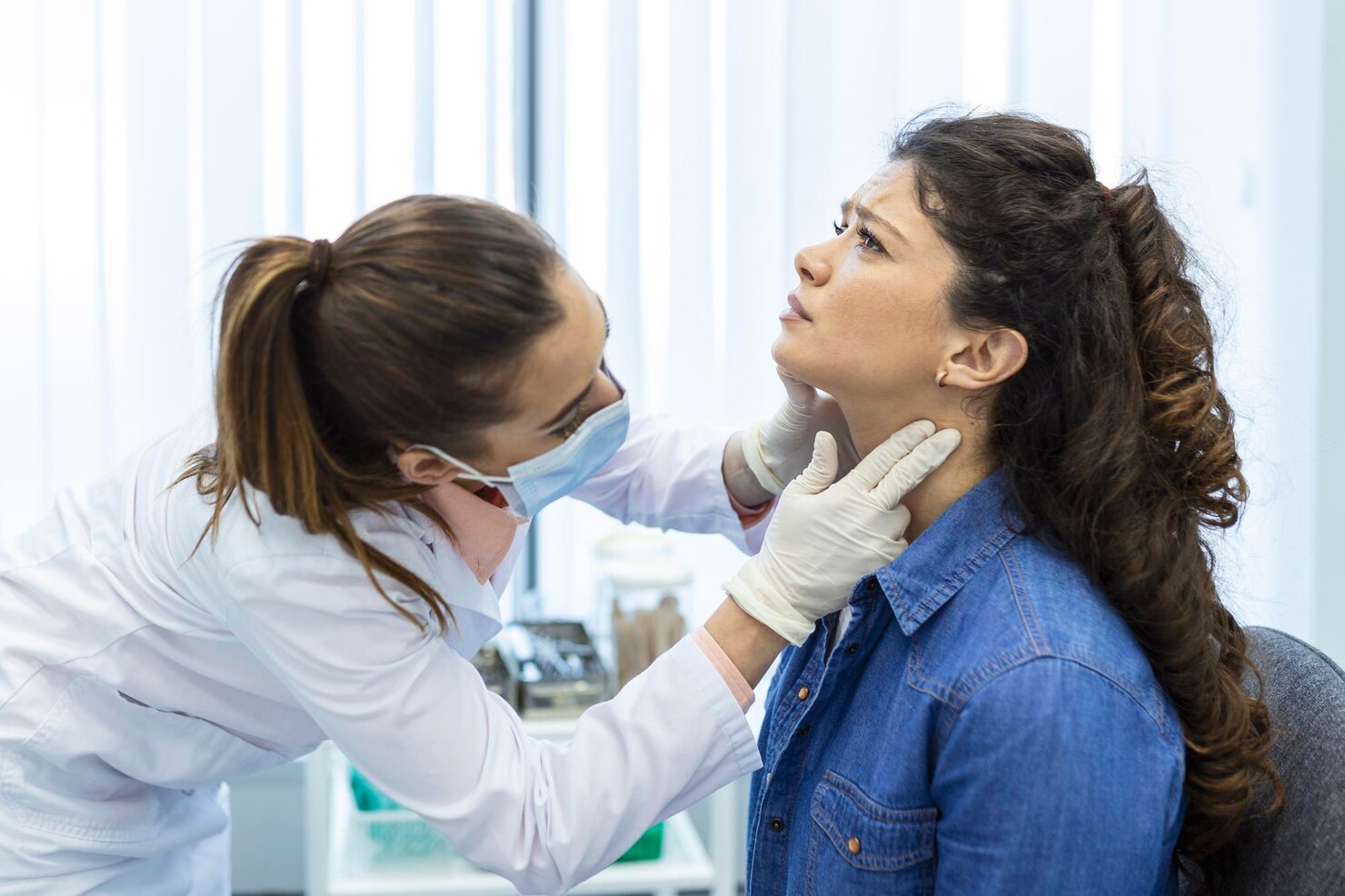
Understanding Thyroid Disorders in Women
The thyroid is a small, butterfly-shaped gland located
in the front of the neck. It produces hormones that
regulate metabolism, body temperature, energy levels,
and several other functions.
Thyroid disorders are relatively common in women and
mainly include two conditions:
Hypothyroidism
This occurs when the thyroid gland does not produce
enough thyroid hormones. It may cause tiredness,
weight gain, constipation, dry skin, hair loss,
and menstrual changes.
Hyperthyroidism
This occurs when the thyroid gland produces excessive
thyroid hormones. Symptoms may include unexplained
weight loss, rapid heartbeat, anxiety, excessive
sweating, and irregular periods.
Hypothyroidism in women can sometimes develop gradually,
making symptoms difficult to recognise. Proper testing
is important to identify thyroid problems and determine
the appropriate treatment.
03
How Are Thyroid Problems and PCOS Connected?
PCOS and thyroid disorders affect different parts of the
hormonal system, but they can occur in the same person.
Research has found an association between PCOS and
autoimmune thyroid conditions, particularly Hashimoto's
thyroiditis.
However, this does not mean that PCOS directly causes
thyroid disease or that every woman with PCOS will
develop a thyroid disorder.
Both conditions can influence menstrual health, weight,
and reproductive function. For example, hypothyroidism
may affect ovulation and menstrual regularity, while
PCOS can cause irregular periods due to hormonal changes.
Since the symptoms may overlap, doctors may evaluate
thyroid function in women experiencing symptoms commonly
associated with PCOS.
Why is understanding the connection important?
Similar symptoms do not always have the same cause.
Proper medical evaluation helps distinguish PCOS,
thyroid disorders, and other possible reasons for
hormonal changes.
04
Common Symptoms of PCOS and Thyroid Imbalance
Some symptoms of PCOS and thyroid disorders may look
similar, while others are more specific to each condition.
Recognising these differences can help women understand
when to seek medical advice.
The following comparison highlights symptoms that may
occur with either condition:
Irregular Periods
Common in PCOS and also possible with thyroid
hormone imbalance.
Weight Changes
Weight gain or difficulty managing weight may occur
in PCOS and certain thyroid conditions.
Hair Thinning
May occur with PCOS and can also be associated
with some thyroid disorders.
Acne and Oily Skin
Can be associated with increased androgen levels
in women with PCOS.
Excess Facial Hair
Can occur in PCOS due to increased androgen levels
and is not a typical thyroid symptom.
Tiredness and Mood Changes
Tiredness and mood changes may occur with either
condition, particularly with thyroid imbalance.
Women should not self-diagnose based on symptoms alone.
A medical consultation and appropriate investigations
can help identify the underlying condition.
05
Can Thyroid Problems Affect Menstrual Cycles?
Yes. Thyroid hormones help regulate the reproductive
system and interact with hormones involved in the
menstrual cycle. When thyroid hormone levels are
too low or too high, menstrual patterns may change.
Women with thyroid disorders may experience:
- Irregular menstrual cycles.
- Heavier or lighter periods.
- Missed periods.
- Changes in ovulation.
- Fertility difficulties.
Untreated thyroid disorders may also affect pregnancy
planning and reproductive health. Women experiencing
persistent menstrual changes should consult a doctor
for an evaluation.
Do not ignore persistent menstrual changes.
Repeated irregular periods, unusually heavy bleeding,
or missed periods should be discussed with a qualified
healthcare professional.
06
How Are PCOS and Thyroid Disorders Diagnosed?
PCOS and thyroid conditions require different diagnostic
approaches. Depending on the symptoms and medical history,
a doctor may recommend a combination of examinations
and investigations.
Common evaluation methods include:
Medical History and Physical Examination
The doctor reviews menstrual patterns, weight changes,
skin concerns, family history, and other symptoms.
Blood Tests
Thyroid function tests, including TSH and free T4,
help evaluate thyroid activity. PCOS evaluation may
include hormone tests and blood sugar or lipid
assessments when appropriate.
Pelvic Ultrasound
An ultrasound may help assess the ovaries and
reproductive organs. However, an ultrasound is
not always necessary to diagnose PCOS.
Additional Investigations
Depending on symptoms, doctors may check prolactin,
androgen levels, and other hormones to rule out
conditions that can resemble PCOS.
A proper diagnosis helps distinguish between
thyroid-related symptoms, PCOS, and other causes
of hormonal changes. The tests required may vary
from one patient to another.
07
Treatment Options for Thyroid Imbalance and PCOS
Treatment depends on the specific diagnosis, symptoms,
age, and reproductive goals. PCOS and thyroid disorders
may require separate treatment plans, even when they
occur together.
PCOS Treatment
Management may include lifestyle changes, medicines
to regulate periods, treatment for acne or excess
hair growth, and fertility-related treatment when
pregnancy is planned.
Thyroid Treatment
Hypothyroidism is commonly treated with thyroid
hormone replacement medication. Hyperthyroidism
may require antithyroid medicines or other
specialist-recommended treatments.
Women with both conditions may need separate treatment
plans and regular follow-up. Treating one condition
does not automatically resolve the other.
For women seeking PCOS treatment in Warangal or thyroid
treatment in Warangal, consulting a qualified specialist
can help ensure that treatment is based on the correct
diagnosis.
08
Lifestyle Changes to Support Hormonal Health
Healthy daily habits can support overall well-being
and help manage certain symptoms associated with
PCOS and thyroid disorders. Lifestyle changes should
be considered alongside appropriate medical care.
Some useful practices include:
Balanced Nutrition
Include vegetables, fruits, whole grains, protein,
and healthy fats as part of a balanced eating pattern.
Regular Exercise
Walking, strength training, and other suitable
physical activities can support metabolic health.
Healthy Weight Management
Maintaining a healthy weight may improve insulin
sensitivity in some women with PCOS.
Adequate Sleep
Following a consistent sleep routine can support
general health and daily energy levels.
Stress Management
Relaxation techniques and enjoyable activities
can support emotional well-being.
Regular Check-ups
Follow the recommended treatment plan and attend
medical reviews to monitor your health.
Lifestyle changes are supportive measures and should
not replace prescribed medicines or medical care.
Discuss any major diet or exercise changes with
your healthcare professional.
09
How PCOS and Thyroid Disorders May Affect Fertility
Both PCOS and thyroid disorders can influence reproductive
health. However, their effects and severity vary depending
on the individual condition and the person's overall health.
PCOS may affect fertility because irregular ovulation
can make it difficult to predict the fertile period.
Some women with PCOS may need medical support to
improve ovulation when planning pregnancy.
Thyroid hormone imbalance may also affect menstrual
regularity and ovulation. Untreated thyroid conditions
can create additional concerns during pregnancy planning.
Women experiencing difficulty becoming pregnant should
consult a qualified doctor for an evaluation. Identifying
and managing underlying hormonal conditions can help
guide appropriate care.
10
Why Regular Hormonal Health Check-ups Are Important
Regular medical reviews can help monitor symptoms,
assess treatment response, and identify possible
health concerns associated with PCOS or thyroid
disorders.
Depending on the diagnosis, follow-up may include:
- Reviewing menstrual cycle patterns.
- Monitoring thyroid hormone levels when recommended.
- Assessing blood sugar and cholesterol where appropriate.
- Reviewing changes in weight, skin, and hair symptoms.
- Discussing fertility or pregnancy-planning concerns.
- Adjusting treatment under medical supervision.
The frequency of check-ups depends on the condition,
treatment, and individual medical needs. Avoid changing
or stopping prescribed medication without consulting
your doctor.
11
Can PCOS and Thyroid Problems Occur Together?
Yes. A woman can have both PCOS and a thyroid disorder.
These are separate conditions, but they may occur in
the same person and contribute to overlapping symptoms.
For example, irregular periods and weight changes may
be associated with PCOS, thyroid imbalance, or other
health conditions. This is why identifying the underlying
cause is important before starting treatment.
If a woman has already been diagnosed with PCOS and
develops symptoms such as persistent tiredness,
unexplained weight changes, or unusual sensitivity
to cold or heat, a doctor may consider evaluating
thyroid function.
Having one condition does not automatically mean
that the other is present. Medical testing and
professional assessment help clarify the diagnosis.
12
When Should Women Consult a Gynecologist?
Women should seek medical advice if they experience
persistent menstrual irregularities, unexplained
weight changes, excessive facial hair, unusual hair
loss, prolonged fatigue, or difficulty becoming pregnant.
Medical consultation is particularly important when:
- Menstrual periods stop for several months.
- Bleeding is unusually heavy or prolonged.
- Periods become consistently irregular.
- There is sudden or unexplained weight change.
- Excess facial hair or acne develops or worsens.
- Persistent tiredness or hair thinning affects daily life.
- There are concerns about fertility or pregnancy planning.
When should you seek medical advice?
Do not ignore persistent or worsening symptoms.
A qualified healthcare professional can assess
your concerns and recommend suitable investigations.
If you are looking for a PCOS specialist in Hanamkonda,
a gynecologist can evaluate reproductive symptoms and
recommend suitable investigations. Women experiencing
possible thyroid-related symptoms may also need thyroid
function testing and appropriate specialist care.
13
Women's Hormonal Health Care in Warangal and Hanamkonda
PCOS and thyroid disorders can affect menstrual health,
fertility, metabolism, and overall quality of life.
Recognising symptoms and receiving an accurate diagnosis
are important steps towards managing these conditions.
At New Warangal Multispecialty Hospital, women experiencing
menstrual irregularities or other hormonal health concerns
can seek medical consultation and guidance on appropriate
evaluation and treatment.
Women looking for women's healthcare in Warangal and
Hanamkonda should discuss their symptoms, medical history,
and reproductive health concerns with a qualified
healthcare professional.
Take your hormonal health concerns seriously.
Avoid self-diagnosis and self-medication. The right
medical evaluation can help identify the cause
of symptoms and guide suitable care.
14
Supporting Women's Hormonal Health Through Awareness
PCOS and thyroid disorders are different conditions,
but both can influence menstrual cycles, metabolism,
reproductive health, and overall well-being. Some
symptoms may overlap, making proper medical evaluation
important.
Understanding the possible signs of PCOS and thyroid
imbalance can help women recognise changes in their
bodies and seek timely medical advice. Appropriate
investigations can help identify the underlying
condition and guide treatment.
New Warangal Multispecialty Hospital provides
multispeciality medical services for patients in
the Warangal and Hanamkonda region. Women experiencing
hormonal health concerns can seek medical guidance
regarding suitable evaluation and care.
Remember, every woman's hormonal health needs are
different. Timely consultation, accurate diagnosis,
and an appropriate treatment plan can support
better long-term well-being.
KEY TAKEAWAY
Understanding PCOS and Thyroid Health Is Important for Every Woman
PCOS and thyroid disorders can cause changes in
menstrual cycles, weight, energy levels, and
reproductive health. Although they are separate
conditions, some symptoms may overlap.
Proper medical evaluation, appropriate investigations,
and individualised treatment can help women understand
and manage their hormonal health.
Do not ignore persistent irregular periods, unexplained
weight changes, unusual hair loss, or prolonged fatigue.
Consult a qualified healthcare professional for
appropriate guidance.