01
What Is a Stroke and How Does It Affect the Brain?
A stroke occurs when blood flow to a part of the brain is
blocked or when a blood vessel bursts. Brain cells depend
on oxygen and nutrients supplied through the blood. When
this supply is interrupted, affected brain cells begin to die.
Depending on the area of the brain involved, a stroke may affect:
- Body movement and muscle strength.
- Speech and communication.
- Memory and thinking abilities.
- Vision and coordination.
- Balance and walking.
The severity of a stroke depends on the affected brain area
and how quickly treatment begins. Immediate medical evaluation
is important to identify the condition and reduce potential
complications.
02
What Are the Early Warning Signs of a Stroke?
The Early Signs of Stroke usually appear suddenly. Some people
may experience one symptom, while others develop multiple
symptoms depending on the affected part of the brain.
Important stroke warning signs include:
- Sudden weakness or numbness in the face, arm, or leg.
- Difficulty speaking or understanding conversations.
- Sudden blurred vision or loss of vision.
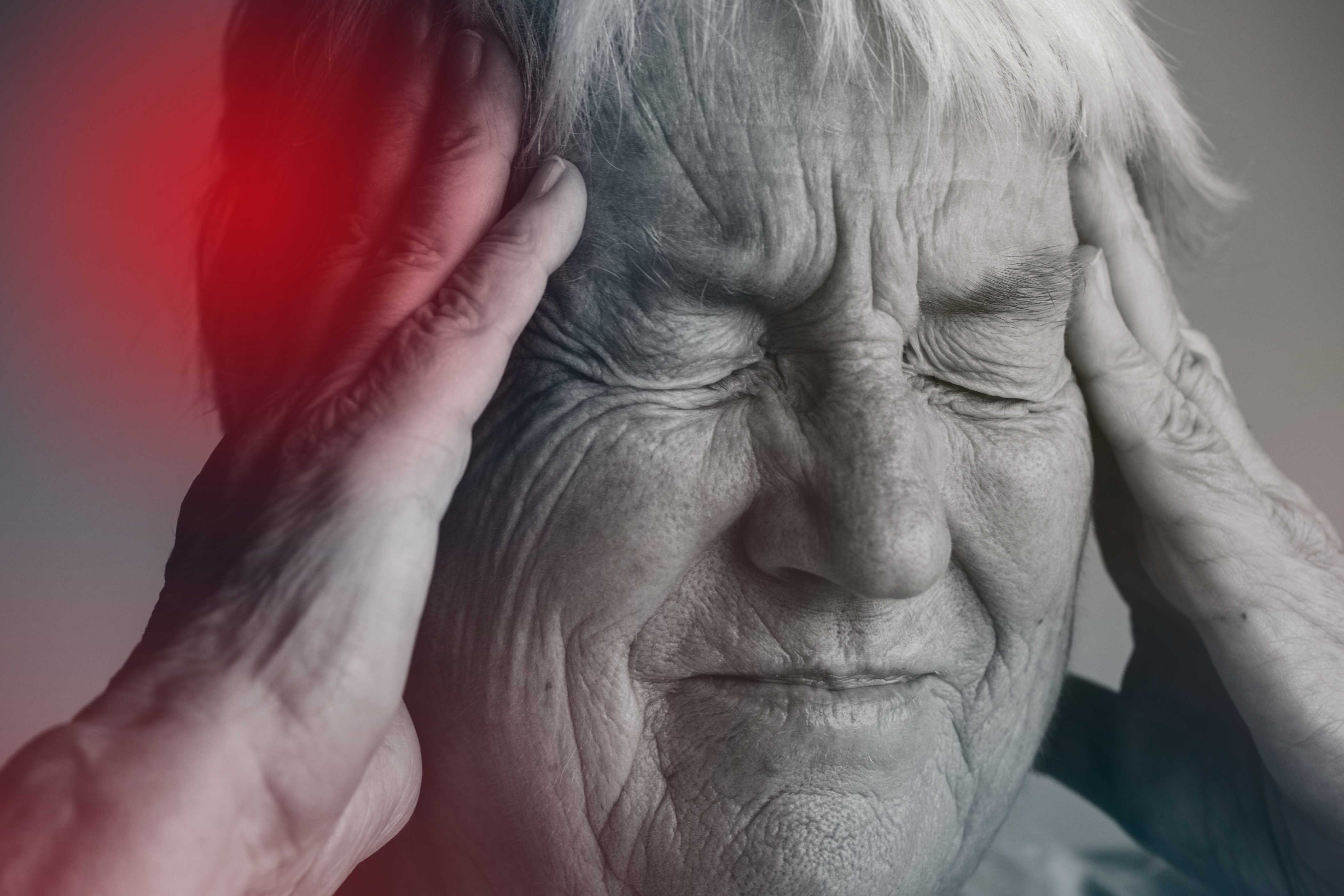
- Severe headache without an obvious reason.
- Dizziness or difficulty maintaining balance.
- Sudden confusion or difficulty concentrating.
Even if symptoms disappear after a few minutes, medical
evaluation is essential because they may indicate a
transient ischemic attack (TIA), sometimes called a mini-stroke.
Never ignore sudden stroke warning signs.
Temporary improvement does not mean the danger has passed.
Seek emergency medical attention immediately if stroke
symptoms appear, even when they disappear.
03
Common Stroke Symptoms You Should Never Ignore
Brain Stroke Symptoms can differ depending on which part
of the brain is affected. Recognising these symptoms quickly
can help patients receive appropriate emergency treatment.
Some common symptoms include:
Facial Drooping
One side of the face may appear uneven, especially when
the person attempts to smile.
Arm or Leg Weakness
Sudden weakness or numbness may affect one arm or leg,
usually on one side of the body.
Speech Difficulties
Speech may become slurred or unclear, or the person
may struggle to understand conversations.
Vision Changes
Sudden blurred vision, double vision, or loss of vision
may occur in one or both eyes.
Balance Problems
A person may experience sudden dizziness, difficulty
walking, or loss of coordination.
Severe Headache
A sudden, severe headache without an obvious cause,
sometimes accompanied by vomiting, may indicate a
serious neurological emergency.
These Stroke Symptoms in Adults require immediate medical
attention. Never wait for symptoms to improve on their own.
04
Different Types of Stroke and Their Causes
Strokes are generally classified into two major types,
along with a temporary stroke-like warning condition.
Understanding these differences helps explain why accurate
diagnosis is essential.
Ischemic Stroke
An ischemic stroke occurs when a blood clot blocks an
artery supplying blood to the brain. It is the most
common type of stroke. Common causes include blood
clots, narrowed arteries, and certain heart conditions.
Hemorrhagic Stroke
A hemorrhagic stroke happens when a blood vessel in
the brain ruptures, causing bleeding. Uncontrolled
high blood pressure and weakened blood vessels can
increase the risk.
Transient Ischemic Attack (TIA)
A TIA occurs when blood flow to the brain is temporarily
interrupted. Symptoms may disappear quickly, but it
is an important warning that a major stroke could
occur in the future.
Each condition requires medical evaluation. A TIA should
also be treated as an emergency because it can indicate
an increased risk of a future stroke.
05
Understanding the FAST Method to Identify Stroke Symptoms
The FAST method is a simple way to recognise possible
stroke warning signs. It helps individuals identify
common symptoms and understand when immediate medical
attention is necessary.
Remember the FAST Stroke Warning Signs
F
Face
Ask the person to smile. Check whether one side
of the face droops.
A
Arms
Ask them to raise both arms. Check whether one
arm falls or feels weak.
S
Speech
Ask them to repeat a simple sentence. Listen
for slurred or unusual speech.
T
Time
If you notice any of these symptoms, seek
emergency medical attention immediately.
Note the time when symptoms first appeared or when
the person was last known to be well. This information
helps doctors make important treatment decisions.
Time is critical during a stroke.
Do not delay emergency care while trying to identify
every symptom. Even one FAST warning sign is enough
to seek immediate medical attention.
06
What Causes a Stroke? Common Risk Factors
Several medical conditions and lifestyle habits can increase
the risk of stroke. Some factors can be managed through
medical treatment and healthy lifestyle choices, while
others may require additional medical evaluation.
Common stroke risk factors include:
High Blood Pressure
Uncontrolled blood pressure can damage blood vessels
and increase the risk of both major types of stroke.
Diabetes
Poorly controlled blood sugar can damage blood vessels
and contribute to cardiovascular problems.
High Cholesterol
High cholesterol may contribute to plaque formation
and narrowing of arteries.
Smoking and Tobacco
Tobacco use can damage blood vessels and increase
the risk of abnormal blood clot formation.
Heart Diseases
Certain heart conditions, particularly atrial
fibrillation, can increase the risk of blood clots
reaching the brain.
Obesity and Inactivity
Excess body weight and physical inactivity may
contribute to conditions associated with stroke risk.
Other contributing factors include excessive alcohol
consumption, family history, and increasing age.
Managing these risk factors through regular health
check-ups and healthy lifestyle choices can help
reduce stroke risk.
07
Why Is Immediate Medical Attention Important During a Stroke?
A stroke requires immediate medical attention because
brain cells can be permanently damaged when blood flow
is interrupted. Delaying treatment may increase the
possibility of complications and long-term disability.
Early Stroke Emergency Care helps doctors identify
the type of stroke and determine suitable treatment.
Depending on the condition, timely treatment may help:
- Restore blood flow to the affected brain area.
- Control bleeding and reduce complications.
- Prevent further brain damage.
- Improve the chances of recovery.
- Reduce the risk of long-term disability.
What should you do during a suspected stroke?
Call emergency services immediately. Note the time
symptoms started or when the person was last known
to be well. Do not give food, water, or medication
unless instructed by medical professionals.
Do not delay emergency care while arranging a routine
medical appointment. Prompt assessment is essential.
08
How Is a Stroke Diagnosed and Evaluated?
Doctors use clinical examinations and medical imaging
to identify the type and severity of a stroke. Early
diagnosis helps the medical team determine appropriate
treatment based on the patient's condition.
Common diagnostic tests include:
CT Scan
Helps identify bleeding in the brain and other
urgent abnormalities.
MRI Scan
Provides detailed images of brain tissue and helps
detect areas affected by a stroke.
Blood Tests
Help check glucose levels, blood clotting, and
other important health parameters.
ECG
Examines heart rhythm and helps identify possible
heart-related causes of stroke.
Blood Vessel Imaging
May be used to examine arteries and identify
possible blockages or other blood vessel problems.
Accurate Stroke Diagnosis helps doctors select the
appropriate treatment without unnecessary delays.
The required investigations depend on the symptoms
and medical findings.
09
Stroke Treatment Options and Medical Management
Brain Stroke Treatment depends on the type of stroke,
its severity, and the time since symptoms began.
Treatment decisions are made after emergency assessment
and appropriate investigations.
For ischemic stroke, doctors may consider clot-dissolving
medication or mechanical thrombectomy in eligible patients.
For hemorrhagic stroke, treatment may involve controlling
blood pressure, managing bleeding, and neurosurgical
procedures when necessary.
Clot-Dissolving Medication
Selected patients with ischemic stroke may receive
thrombolytic medication within an appropriate
treatment window after medical assessment.
Mechanical Thrombectomy
In selected cases, a specialised procedure may
be performed to remove a clot blocking a major
artery supplying the brain.
Hemorrhagic Stroke Management
Treatment may involve controlling blood pressure,
reversing certain medications, managing bleeding,
and considering surgery when required.
After the emergency phase, rehabilitation may include
physiotherapy, speech therapy, and occupational therapy
to improve daily functioning and support recovery.
10
Tips to Reduce the Risk of Stroke
Although not every stroke can be prevented, managing
controllable risk factors can help protect brain and
cardiovascular health.
You can reduce several stroke risk factors by following healthy habits:
- Monitor and control blood pressure.
- Manage diabetes and cholesterol.
- Exercise regularly, as medically appropriate.
- Eat a balanced diet with fruits and vegetables.
- Avoid smoking and tobacco products.
- Maintain a healthy body weight.
- Limit or avoid excessive alcohol consumption.
- Attend regular medical check-ups.
- Follow prescribed medications consistently.
People with existing medical conditions or a previous
TIA should follow their doctor's recommendations for
an individualised stroke prevention plan.
11
Stroke Recovery and Rehabilitation
Recovery after a stroke varies from person to person.
The affected brain area, severity of the stroke, overall
health, and timing of treatment can all influence recovery.
Rehabilitation may help patients improve their physical
abilities, communication, and independence in everyday life.
Recovery support may include:
-
Physiotherapy to improve muscle strength, movement,
and balance.
-
Speech therapy to support communication and swallowing.
-
Occupational therapy to improve everyday activities.
-
Medical follow-ups to monitor recovery and manage
risk factors.
-
Prescribed medication and lifestyle modifications
to help prevent another stroke.
Following the recommended rehabilitation programme
and attending regular medical reviews can support
long-term recovery.
12
When Should You Seek Emergency Care for Stroke Symptoms?
You should seek emergency medical care immediately
whenever someone develops sudden symptoms that may
indicate a stroke.
Important emergency warning signs include:
- Sudden facial drooping.
- Weakness or numbness in one arm or leg.
- Sudden difficulty speaking or understanding speech.
- Sudden loss of vision or blurred vision.
- Unexpected difficulty walking or maintaining balance.
- Severe unexplained headache.
- Sudden confusion or loss of coordination.
Do not wait for symptoms to disappear.
Call emergency medical services immediately. Note
when the symptoms first appeared or when the person
was last known to be well. Avoid giving food, drinks,
or medication unless advised by medical professionals.
Even temporary stroke-like symptoms need urgent
assessment because they may indicate a transient
ischemic attack.
13
Stroke Treatment and Neurological Care in Warangal and Hanamkonda
Recognising stroke symptoms and accessing timely
medical care are essential for better treatment
outcomes. If you notice sudden weakness, speech
difficulties, facial drooping, or vision changes,
seek emergency medical attention immediately.
New Warangal Multispeciality Hospital provides
multispeciality medical services in the Warangal region.
Patients requiring evaluation for possible stroke
symptoms should receive prompt medical assessment,
appropriate investigations, and treatment based on
their condition.
People looking for neurological care in Warangal
and Hanamkonda should prioritise facilities that
can arrange appropriate emergency evaluation,
investigations, and specialist guidance.
Suspected stroke? Act without delay.
A suspected stroke requires immediate emergency
assessment. Do not wait for a routine consultation
or an appointment with a specialist.
14
Protecting Brain Health Through Stroke Awareness
A brain stroke can have serious effects on a person's
health, independence, and quality of life. Recognising
the Early Signs of Stroke, understanding the risk
factors, and seeking immediate medical attention can
make an important difference in treatment and recovery.
If you notice any Brain Stroke Symptoms, do not delay
seeking emergency care. Appropriate medical assessment,
timely treatment, and rehabilitation can help manage
complications and support recovery.
New Warangal Multispeciality Hospital focuses on
providing multispeciality medical services and
appropriate patient care in the Warangal and
Hanamkonda region.
Remember, acting quickly during a stroke can help
protect brain health and save lives.
KEY TAKEAWAY
Recognising Stroke Symptoms Can Save Lives
A brain stroke is a serious medical emergency that
requires immediate attention. Understanding stroke
symptoms, identifying warning signs through the FAST
method, and recognising risk factors can help people
respond quickly.
Timely diagnosis, appropriate Brain Stroke Treatment,
and rehabilitation are important for managing the
effects of stroke and supporting recovery.
Never ignore sudden facial drooping, arm weakness,
speech difficulties, or vision problems. Seek
emergency medical care immediately.